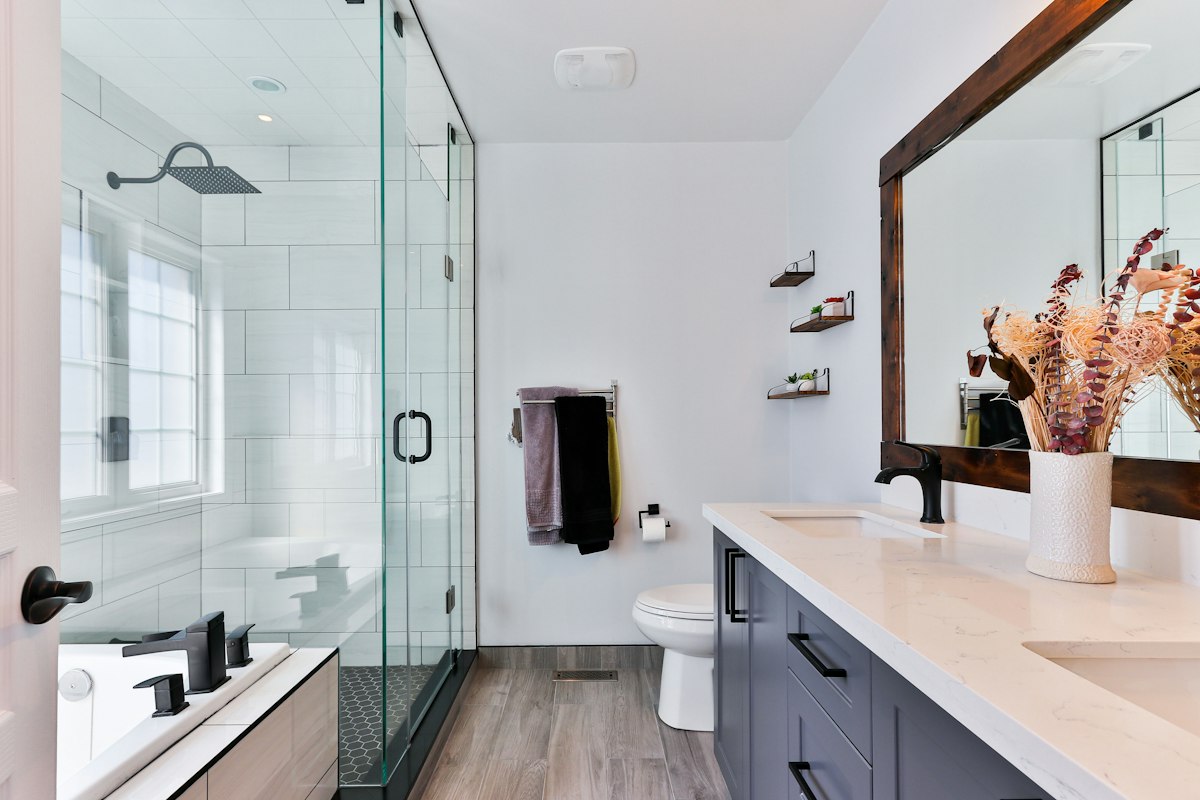
Marble is a natural stone that has adorned the world's finest buildings for millennia. With proper care, it will last forever — and look beautiful for generations. Here is everything you need to know about maintaining Italian marble.
Understanding Marble
Italian marble is primarily calcium carbonate (CaCO₃) — the same compound as chalk and eggshells. This makes it beautiful and workable, but also vulnerable to attack by acids. Understanding this is the foundation of good marble care.
The Golden Rules of Marble Care
- Wipe up spills immediately — especially acids (wine, coffee, citrus, vinegar). Time is critical.
- Use pH-neutral cleaners only — never vinegar, bleach, or ammonia on marble.
- Use coasters and trivets — protect marble from glasses, hot pans, and abrasive objects.
- Seal periodically — especially in kitchens and bathrooms.
- Use soft cloths or mops — never abrasive scrubbers.
Daily Cleaning
For daily cleaning of polished marble:
- Wipe with warm water using a soft cloth or chamois
- For deeper cleaning, use a pH-neutral stone soap (available from specialist suppliers)
- Always dry the surface after washing to prevent water spotting
- Use doormats at entrances to reduce abrasive dirt on floors
Stain Removal
Oil-based stains (grease, cosmetics)
Make a poultice with baking soda and water. Apply to the stain, cover with plastic wrap, and leave for 24–48 hours. Rinse and dry. For stubborn stains, use a commercial stone degreaser.
Organic stains (coffee, tea, wine)
Blot immediately — do not wipe. Clean with 12% hydrogen peroxide (hair bleaching strength) applied directly to the stain. Leave for 10–15 minutes, rinse thoroughly.
Rust stains
Marble is particularly vulnerable to rust. For metal item marks, use a commercial rust remover specifically formulated for stone. Do not use rust removers containing hydrofluoric acid — it will permanently damage marble.
Sealing Marble
Sealing does not make marble stain-proof — it buys time by reducing absorbency. How often to seal depends on use:
- Kitchen countertops: Every 1–2 years
- Bathroom vanities: Every 2–3 years
- Floors (light use): Every 3–5 years
- Feature walls: Every 5–10 years
To test if your marble needs sealing: sprinkle water on the surface. If it darkens within 5 minutes, it's time to reseal.
Etching: The Marble Killer
Etching is the dull spot left when acid dissolves the marble surface. It is the most common form of marble damage and cannot be avoided entirely. For polished marble, light etching can be polished out using marble polishing powder. Severe etching requires professional re-polishing.
The honest truth: if you want a kitchen that looks perfect for decades, marble requires more care than quartz. But for many homeowners and designers, the beauty of real marble is worth the extra effort.
Have questions about marble care?
Contact our team for specific maintenance recommendations for your marble.
Get in Touch →